


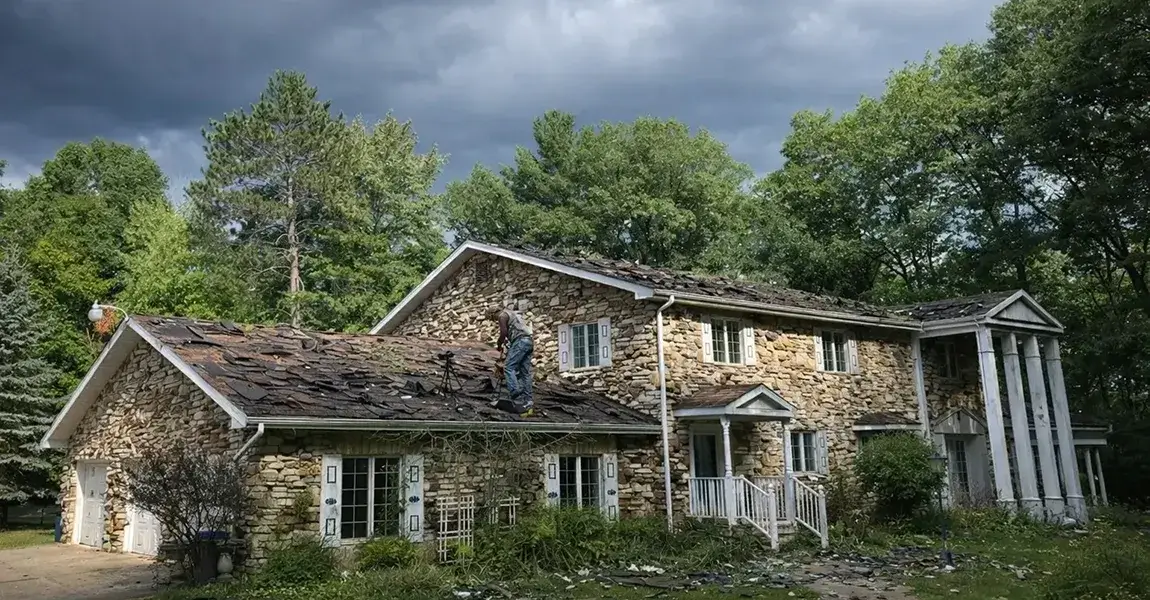
Midwinter thaws across Michigan’s Upper Peninsula often reveal damage that was hidden for weeks or even months. Snow melts, ice releases its grip, and suddenly homeowners notice missing shingles, dented flashing, or water stains inside. This is when roof insurance inspections in Michigan become an important step for documenting storm-related roof conditions.
At Upper Peninsula Roofing, we regularly help homeowners understand what a roof inspection is, what documentation looks like, and how to prepare after severe weather. This guide explains roof insurance inspections in Michigan in a compliance-safe, educational way. The focus is on inspection, evidence collection, and homeowner awareness, not claim handling or negotiation.
Midwinter Thaw Reveals Storm Damage
Winter storms in the Upper Peninsula are relentless. Heavy lake-effect snow near Lake Superior, strong winds, and long freeze–thaw cycles stress roofing systems. According to NOAA, rapid temperature changes during midwinter thaws are one of the most common times roof damage becomes visible.
Snow that once covered lifted shingles slides away. Ice that masked cracked flashing melts. Water stains appear on ceilings. These moments often prompt homeowners to seek roof insurance inspections in Michigan so the condition of the roof can be properly documented.
What Are Roof Insurance Inspections?
A roof insurance inspection is a professional assessment of roof conditions following a storm event. The goal is to:
- Identify storm-related damage
- Document visible and hidden issues
- Create a clear inspection record
- Provide photos and written findings
roof insurance inspections in Michigan are not about filing claims or determining coverage. They are about establishing facts and documenting the roof’s condition at a specific point in time.
Why Documentation Matters After Storms
Storm damage does not always cause immediate leaks. Some issues take weeks to show up, especially during cold weather. Documentation helps homeowners understand:
- What damage exists
- Where it is located
- How severe it may be
- Whether repairs are recommended
Licensed roofers use photos, notes, and measurements so homeowners have a clear record. This makes roof insurance inspections in Michigan valuable even if no immediate repairs are required.
Common Storm Damage Found During Inspections
In Gladstone, Marquette, Iron Mountain, Kingsford, and surrounding communities, we consistently see similar storm-related roof issues:
Wind Damage
High winds lift or crease shingles, break sealant strips, and loosen ridge caps.
Ice and Snow Stress
Heavy snow loads strain roof decking and fasteners. Ice buildup forces water under shingles.
Flashing Separation
Freeze–thaw cycles cause metal flashing to expand and contract, creating gaps.
Impact Marks
Hailstorms near Huron and fast-moving systems can leave small dents or granule loss.
These are the types of conditions typically identified during roof insurance inspections in Michigan.
What Happens During a Roof Inspection
When Upper Peninsula Roofing performs roof insurance inspections in Michigan, our process is structured and safety-focused.
Exterior Evaluation
We inspect shingles, metal panels, flashing, vents, and roof edges. Photos are taken of all visible concerns.
Interior Check
We look for water stains, damp insulation, or signs of moisture movement inside the attic.
Roof System Review
We evaluate overall roof age, wear patterns, and areas vulnerable to future damage.
Documentation
Findings are organized into a clear inspection summary with supporting photos.
For homeowners looking for general inspection services, our Roof Inspections page explains the process in more detail.
A Local Upper Peninsula Scenario
A homeowner in Escanaba contacted us after a January thaw revealed ceiling stains. During the inspection, we found wind-lifted shingles from a December storm and ice dam damage along the eaves. The homeowner had not noticed any issues earlier because snow covered the roof for weeks.
Our roof insurance inspections in Michigan documentation gave the homeowner a clear understanding of what happened, when it likely occurred, and what repairs were needed. Early documentation helped prevent further interior damage as winter continued.
When Should You Schedule an Inspection?
You should consider roof insurance inspections in Michigan after:
- Heavy wind storms
- Ice storms
- Hail events
- Rapid snow melt
- Visible interior water stains
- Large amounts of snow sliding off the roof
Midwinter thaws are especially important because they expose damage that was previously hidden.
What Roofers Do Not Do During These Inspections
It is important to understand boundaries. During roof insurance inspections in Michigan, we do not:
- File insurance claims
- Negotiate with insurance companies
- Guarantee coverage or outcomes
- Interpret policy language
Our role is inspection and documentation only. This keeps the process transparent and compliant.
How Upper Peninsula Weather Impacts Roofs
The Upper Peninsula experiences unique weather patterns that accelerate roof wear:
- Lake-effect snow near Lake Superior
- Sudden temperature swings
- High winter winds
- Occasional hailstorms moving north from regions like Huron
- Sudden heavy rain events similar to monsoons seen in Ohio
These conditions make routine inspections more important. roof insurance inspections in Michigan help homeowners track how storms affect their roof over time.
Professional Insights From Licensed Roofers
Our licensed roofers often tell homeowners:
- “Most storm damage is easier to see after snow melts.”
- “Wind damage is often missed until shingles dry out.”
- “Photos taken early prevent confusion later.”
These insights come from years of conducting roof insurance inspections in Michigan across all seasons.
Preparing for a Roof Inspection
Homeowners can prepare by:
- Clearing attic access
- Noting when storms occurred
- Identifying interior areas of concern
- Keeping previous inspection records
Preparation helps ensure roof insurance inspections in Michigan are thorough and efficient. This guide focuses on inspection, documentation, and homeowner education. We do not handle insurance claims, negotiations, or coverage decisions. Our goal is to provide factual information so homeowners can make informed choices.
Why Local Experience Matters
Roof inspections in the Upper Peninsula are different from inspections elsewhere. Snow cover, ice buildup, and cold temperatures require specialized knowledge and safety practices.
Upper Peninsula Roofing brings local expertise, licensed professionals, and regional weather understanding to every inspection. Homeowners can also visit us in Iron Mountain, MI to discuss inspection concerns in person.
Take Action After the Storm
Storm damage does not always announce itself right away. Midwinter thaws provide a critical opportunity to inspect, document, and plan before damage worsens.
If you suspect storm-related issues or want professional documentation, book a roof inspection for documentation with Upper Peninsula Roofing today. Our experience with roof insurance inspections in Michigan ensures clear, accurate information you can trust.
Frequently Asked Questions
What is the purpose of a roof insurance inspection?
To document roof conditions after a storm, not to file or negotiate claims.
How long does an inspection take?
Most inspections take one to two hours, depending on roof size and accessibility.
Should inspections be done in winter?
Yes. Midwinter thaws often reveal hidden damage.
Will I receive photos?
Yes. Documentation is a key part of roof insurance inspections in Michigan.
What if no damage is found?
You still gain peace of mind and a baseline condition report.