


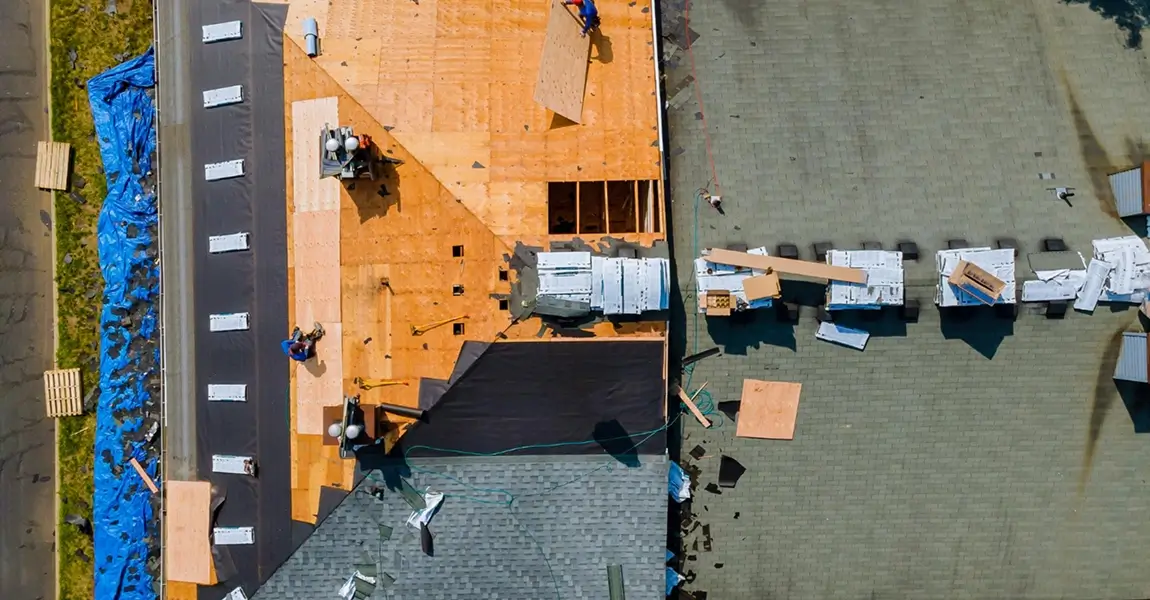
A new roof is a major investment that protects your home from the elements, improves energy efficiency, and enhances curb appeal. Whether you’re replacing an old roof or installing one on a new home, knowing what to expect during roof installation can help make the process smooth and stress-free.
Understanding the Roof Installation Process
Michigan homeowners face unique roofing challenges due to the state’s extreme weather conditions. From heavy snowfall in winter to high winds and storms in summer, a well-installed roof is essential for long-term protection. Here’s a step-by-step guide to what happens during roof installation.
1. Initial Inspection and Roofing Estimate
Before installation begins, a professional roofing contractor will inspect your current roof and provide an estimate. This includes:
- Assessing the condition of shingles, flashing, and decking
- Checking for leaks, rot, or structural damage
- Discussing roofing material options suitable for Michigan’s climate
- Providing a timeline and cost estimate
2. Choosing the Right Roofing Materials
The materials you choose will impact the longevity and performance of your roof. Common options in Michigan include:
- Asphalt Shingles: Affordable and durable, lasting 20-30 years
- Metal Roofing: Long-lasting and energy-efficient, ideal for snowy conditions
- Slate or Tile Roofing: Premium option with exceptional durability
- Rubber Roofing (EPDM): Great for flat roofs and commercial buildings
Your contractor will help you choose materials based on budget, aesthetics, and weather resistance.
3. Scheduling the Roof Installation
Once materials are selected, the installation date is scheduled. In Michigan, roofing work is best done in dry conditions, so most installations take place in spring, summer, or early fall.
How to Prepare Your Home for Roof Installation
A roof replacement or new installation involves noise, debris, and temporary disruptions. Here’s how to prepare:
1. Clear the Area Around Your Home
- Move vehicles away from the driveway to allow workers access.
- Remove patio furniture, grills, and decorations near the house.
- Trim overhanging tree branches to prevent interference with the work.
2. Protect Belongings Inside Your Home
Roofing work can cause vibrations that may shake walls and ceilings. Protect your belongings by:
- Removing fragile items from shelves and walls.
- Covering furniture and valuables in the attic to prevent dust buildup.
3. Inform Your Neighbors
Letting your neighbors know about your roof installation is courteous, especially since the process involves noise and possible temporary street blockages.
4. Plan for Pets and Children
If you have pets or young children, consider making arrangements for them to stay in a quieter location during installation hours.
What Happens on Roof Installation Day?
1. Removing the Old Roof
If replacing an existing roof, the first step is tearing off the old materials. This process can take a few hours or a full day, depending on the size and condition of the roof.
2. Inspecting and Repairing the Roof Decking
Once the old shingles are removed, roofers inspect the decking (the wooden base of your roof). Any damaged or rotted sections are replaced before new materials are installed.
3. Installing the New Roof
The new roofing system is installed in layers:
- Ice and Water Shield: A waterproof barrier to protect against Michigan’s snow and ice.
- Underlayment: Adds another layer of protection against moisture.
- Flashing: Seals edges, valleys, and areas around chimneys or vents.
- Shingles or Roofing Material: The final layer that provides durability and style.
4. Clean-Up and Final Inspection
Professional roofers will remove debris, check for any leftover nails, and ensure your property is clean. A final inspection ensures everything is installed correctly and meets local building codes.
How Long Does Roof Installation Take?
- Residential homes: Typically 1-3 days, depending on size and weather conditions.
- Larger or complex projects: May take up to a week.
- Metal or slate roofs: Require more time due to detailed installation.
Frequently Asked Questions
Will I need to be home during the roof installation?
No, but it’s helpful to be available for questions or unexpected issues.
Can roof installation be done in winter?
Yes, but cold temperatures can impact installation quality. It’s best done in warmer months if possible.
What happens if it rains during installation?
Roofers monitor the weather and will cover exposed areas with tarps if rain is expected.
Does a new roof increase home value?
Yes, a new roof improves curb appeal, energy efficiency, and resale value.
What should I do after the roof installation is complete?
Check with your contractor to ensure all work is completed to your satisfaction and review warranty details.
Ensure a Smooth Roof Installation with Professional Help
Understanding what to expect during roof installation can help homeowners prepare for a hassle-free process. Choosing experienced professionals ensures that your new roof is installed correctly and built to withstand Michigan’s tough weather conditions.
For expert services, contact Upper Peninsula Roofing New Roof Installation services today and protect your home for years to come.