


Roofing is essential for protecting any structure, whether it’s a home or a commercial building. However, commercial vs. residential roofing differ in materials, design, installation methods, and maintenance needs. Michigan property owners must understand these differences to choose the right roofing system for their needs.
Key Differences Between Commercial and Residential Roofing
While both residential and commercial roofs serve the same purpose—shielding buildings from the elements—they are built differently based on structure size, function, and environmental factors.
1. Roof Design and Structure
One of the most noticeable differences between commercial and residential roofing is the design.
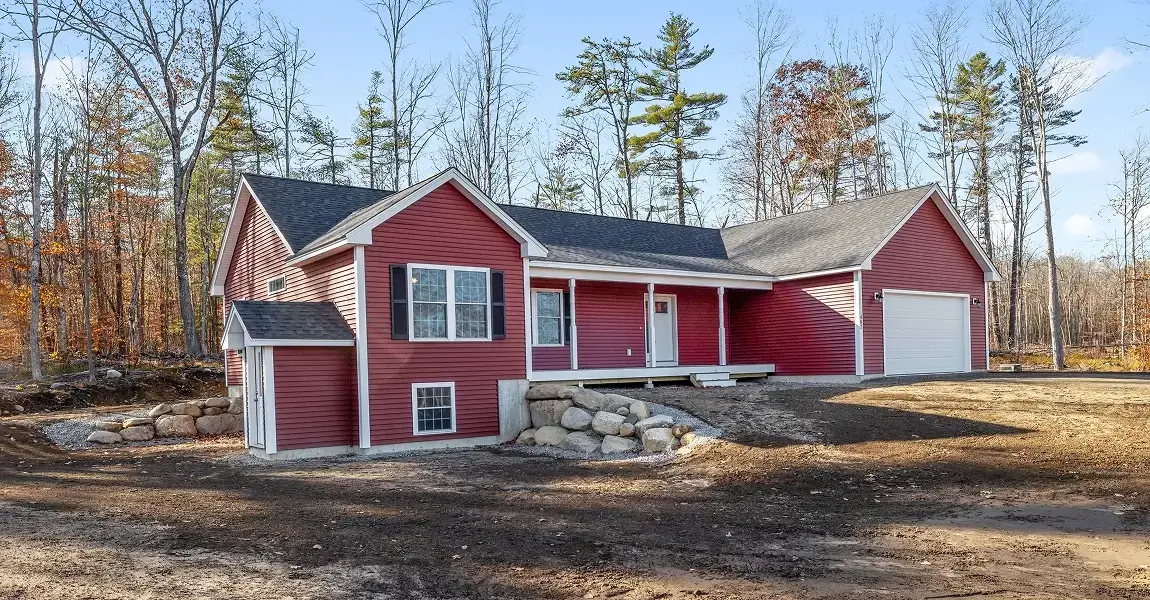
- Residential roofs typically have steep slopes, allowing for better water drainage and a traditional appearance.
- Commercial roofs often have low-slope or flat designs to accommodate HVAC systems, solar panels, and other large equipment.
In Michigan, where heavy snow can accumulate, flat roofs must be designed with proper drainage to prevent water pooling and structural damage.
2. Roofing Materials
The materials used for commercial and residential roofing vary based on durability, cost, and functionality.
- Common residential roofing materials:
- Asphalt shingles (most popular due to affordability and durability)
- Metal roofing (long-lasting and energy-efficient)
- Slate or wood shakes (high-end options for aesthetic appeal)
- Common commercial roofing materials:
- EPDM (rubber roofing known for durability and flexibility)
- TPO and PVC (lightweight, energy-efficient, and resistant to weathering)
- Built-up roofing (layers of tar and gravel for extra durability)
Commercial roofing materials are designed for larger surface areas and heavier wear, while residential materials focus on curb appeal and weather protection.
3. Installation Process
Roof installation for residential and commercial buildings differs significantly in terms of time, complexity, and labor requirements.
- Residential roofing is generally quicker to install due to its smaller size and standardized materials. Asphalt shingles, for example, can be installed in just a few days.
- Commercial roofing requires specialized techniques, such as welding or layering membranes, which can take weeks depending on the project size.
Due to Michigan’s harsh winters, scheduling installations in warmer months is crucial to avoid weather-related delays.
4. Maintenance and Repairs
Both types of roofing require maintenance, but the scope and frequency differ.
- Residential roofs typically require occasional inspections and minor repairs, such as replacing missing shingles or fixing small leaks.
- Commercial roofs demand more frequent inspections due to their size and flat design, which makes them more susceptible to standing water, leaks, and punctures.
Proper maintenance ensures longevity, and hiring professionals like Upper Peninsula Roofing for Commercial Roofing Services can help extend the life of commercial roofs.
5. Cost Differences
Cost is a significant factor when comparing commercial vs. residential roofing.
- Residential roofing is generally less expensive due to smaller square footage and simpler materials.
- Commercial roofing costs more because of specialized materials, labor-intensive installation, and larger surface areas.
However, commercial roofs are designed for longevity, often lasting longer with proper care.
Choosing the Right Roofing System for Michigan Properties
Whether you own a home or a commercial building, choosing the right roofing system depends on:
- Climate considerations: Michigan experiences heavy snow, ice, and high winds, making durability a priority.
- Building size and purpose: Large, flat-roofed buildings require commercial roofing solutions, while steep-slope roofs are best for homes.
- Budget and maintenance requirements: Long-term costs should factor into your decision, not just initial installation expenses.
Frequently Asked Questions
Which type of roof lasts longer, commercial or residential?
Commercial roofs, especially metal or TPO, can last 30-50 years with proper maintenance, while asphalt shingles on homes typically last 20-30 years.
Can I use residential roofing materials on a commercial building?
No, residential materials are not designed for the structural and functional needs of commercial buildings.
What is the biggest challenge of maintaining a commercial roof?
Preventing water damage and leaks is the main challenge due to the flat design of most commercial roofs.
Do commercial roofs require more frequent inspections?
Yes, commercial roofs should be inspected at least twice a year due to their exposure to harsh weather and large surface area.
Final Thoughts: Making the Right Choice for Your Property
Understanding the differences between commercial vs. residential roofing helps Michigan property owners make informed decisions. Residential roofs focus on aesthetics and weather resistance, while commercial roofs prioritize durability and functionality.
If you need expert guidance, contact Upper Peninsula Roofing for Commercial Roofing Services to ensure your business has the best roofing solution.